Learn About estate valuation
Thorough Estate Evaluation: Maximize Your Home's Market Value
A comprehensive property evaluation serves as an essential role in establishing a real estate's worth, especially after the loss of a loved one. It ensures a fair distribution of resources among beneficiaries and helps in meeting monetary responsibilities. Understanding the various factors influencing valuation is vital. Furthermore, selecting the appropriate professional can greatly impact the outcome. With many factors at stake, how can homeowners best ready for this undertaking?
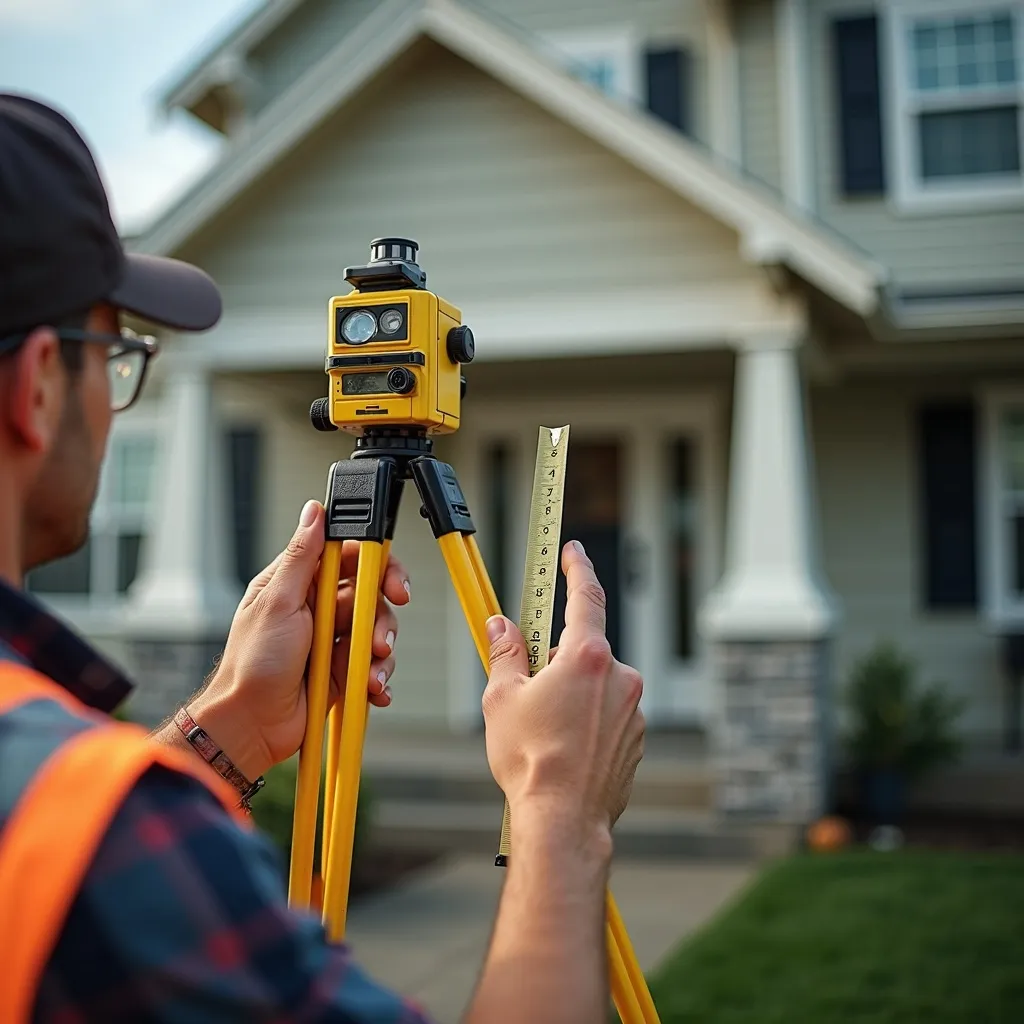
Understanding the Objective of an Estate Evaluation
An estate evaluation operates as an vital tool in ascertaining the worth of a passed away individual's holdings. This process is vital for several reasons, primarily to allow the fair allocation of property among beneficiaries and inheritors. It provides a definitive appraisal that can aid in handling debts and tax matters, making certain that the estate meets legal requirements. In addition, an reliable appraisal aids in minimizing disagreements among family members, consequently promoting a smoother change during what is often a tough time.
Furthermore, an estate appraisal can likewise support identifying and documenting the resources for generations to come. It determines a baseline value that can be referenced for potential future sales or tax purposes. Ultimately, understanding the purpose of an property assessment illustrates its role in achieving openness and justice in the management of a departed individual's estate, contributing to accountable estate planning and execution.
Critical Variables Affecting Property Values
Various vital elements significantly influence property valuation during an estate appraisal. Location and accessibility regularly determine a property's desirability, while the condition of the property itself may affect its overall worth. Additionally, market trends analysis provides perspective on current economic conditions that influence property values.
Location and Accessibility
Location and convenience are key factors in determining property value, influencing buyer interest and market trends. Properties located in desirable neighborhoods, near amenities such as schools, shopping centers, and public transportation, typically achieve higher prices. Moreover, accessibility to major roadways and employment hubs boosts a property’s appeal, making it more desirable to potential buyers. Areas with low crime rates and good school districts frequently experience stronger demand, further increasing property values. On the other hand, properties in remote locations or those with limited access to essential services might see reduced valuation. Understanding these factors enables sellers to strategically position their properties, improving marketability and ensuring optimal returns on investment.
Property Status Inspection
Beyond location and accessibility, the condition of a property substantially impacts its valuation. Essential elements include structural soundness, age, and maintenance history. A properly maintained property typically commands a higher price, as buyers are often willing to pay a premium for ready-to-occupy status. Conversely, properties requiring significant repairs or upgrades may deter prospective purchasers, leading to lower offers. Moreover, updates in critical systems—such as plumbing, electrical, and roofing—can increase value, while neglecting these areas can cause value decline. A comprehensive property assessment not only identifies these factors but also provides a clear understanding for potential buyers, ultimately influencing the property's marketability and ultimate selling price. Assessing the property's state is, consequently, a crucial component of precise property valuation.
Market Trends Analysis
Market trends function as a cornerstone in fixing property valuation, molding buyer behavior and pricing strategies. Factors incorporating local economic conditions, employment rates, and demographic shifts substantially shape market demand. Additionally, interest rates and financing availability influence how buyers undertake property purchases. Seasonal trends consistently affect buyer activity, with certain periods experiencing higher sales volumes. Furthermore, neighborhood developments, such as new amenities or infrastructure projects, can strengthen property desirability. Understanding these dynamics supports appraisers and property owners in tailoring their strategies accordingly. By persistently monitoring these trends, stakeholders can implement informed strategies, ensuring that property valuations capture current market realities and amplifying potential returns. Ultimately, a detailed market trends analysis is crucial for effective estate appraisal.
How to Locate a Experienced Appraiser
Picking a qualified professional necessitates meticulous attention to several key factors. Expertise and track record play an essential role, just as the appraiser's familiarity with the community marketplace does. Moreover, grasping the evaluation techniques utilized can greatly influence the exactness and trustworthiness of the property valuation.
Qualifications and Background
When finding a competent appraiser, it is necessary to evaluate their qualifications and expertise, as these factors substantially influence the accuracy and trustworthiness of the appraisal. A certified appraiser typically holds an relevant designation from an recognized professional organization, such as the Appraisal Institute or the American Society of Appraisers. Additionally, considerable experience in the field, particularly with the type of property being appraised, is important. Prospective clients should ask about the appraiser's performance history, including the number of appraisals completed and any areas of specialization. It's also beneficial to review ongoing training, which shows a dedication to keeping current with industry standards and practices. Collectively, these elements provide a well-rounded professional capable of delivering accurate appraisals.
Local Market Knowledge
Understanding local market dynamics is essential for appointing a qualified appraiser, as their familiarity with the area can dramatically shape the appraisal's accuracy. An appraiser with broad familiarity of the area property market structure will be better equipped to assess property values based on contemporary deals, neighborhood trends, and business conditions. It is advisable to search for appraisers who have worked in the specific locality for several years, as they will acquire insights into unique factors determining property worth. Additionally, checking for local certifications or connections with industry organizations can further confirm an appraiser's expertise. Ultimately, designating someone proficient in regional market awareness can bring about a more precise and constructive property valuation.
Appraisal Methodology Employed
The valuation procedure executed by a certified professional constitutes a critical factor shaping property value assessment. Appraisers typically utilize three main approaches: the comparative market analysis, the cost approach, and the revenue-based method. The sales comparison approach evaluates similar properties previously sold in the area, whereas the replacement cost method determines the cost of reconstructing the property minus depreciation. The income approach is frequently applied for rental assets and computes anticipated income streams. When selecting an appraiser, property owners must prioritize qualifications, including certifications and experience. It is equally important to evaluate their knowledge with area market conditions and real estate categories. A knowledgeable professional can provide a comprehensive evaluation, guaranteeing accurate and beneficial property valuation for estate purposes.
Get Your Property Ready for an Assessment
Getting a property ready for appraisal is vital for securing an accurate valuation. Homeowners should start by making sure that the property is clean and clutter-free, which enables appraisers to see its full potential. Simple cosmetic improvements, such as fresh paint or minor repairs, can substantially improve appeal.
Additionally, it is advisable to gather applicable documents, comprising previous appraisals, tax evaluations, and property disclosures, as these supply useful context for the appraiser. Landscaping should additionally be addressed; well-maintained gardens and lawns can establish a positive first impression.
Ultimately, property owners should be prepared to provide a list of distinctive improvements and enhancements, as these elements may affect the overall worth. By taking these steps, homeowners can enable an easier appraisal process and potentially maximize their estate's value.
Frequent Real Estate Appraisal Oversights to Circumvent
Various typical blunders can delay the estate valuation process and potentially lead to unreliable assessments. One regular error is omitting full and correct property particulars. Partial particulars can distort the appraiser's interpretation, causing inaccuracies. Another oversight is overlooking recent sales data and market movements, which can greatly influence property worth. Failing to context information consider necessary repairs or upgrades also presents an issue; appraisers must evaluate the property's actual condition properly.
Additionally, depending exclusively on online valuation tools can deceive owners, as these instruments often miss local market nuances. Emotional attachment to the property may cloud judgment, resulting in unrealistic expectations concerning value. Finally, not hiring a certified appraiser can jeopardize the appraisal's accuracy. By avoiding these typical mistakes, property owners can guarantee a more accurate and beneficial estate appraisal.
Boost Your Real Estate Worth Using These Methods
Improving property value requires a well-planned strategy that encompasses both aesthetic and functional improvements. First, boosting exterior attractiveness is essential; basic yard work, new paint, and tidy pathways can create a memorable initial impact. Inside, renovating kitchens and baths often yields the highest returns. Contemporary finishes and eco-friendly equipment can draw in prospective purchasers.
Also, decluttering and organizing the home creates it more welcoming and allow potential buyers to picture themselves residing in the space. Investing in small repairs, such as repairing dripping taps or replacing worn flooring, can also greatly boost appeal.
Moreover, incorporating smart home technology offers a contemporary advantage that many buyers desire. Finally, understanding local market trends and pricing strategically can situate the property positively. Through executing these strategies, property investors can enhance their asset's worth and assure a more positive appraisal outcome.
What to Do After Your Property Valuation?
Upon establishing approaches for improving property value, the following steps post-appraisal are critical. Property owners should commence by studying the appraisal report meticulously, ensuring they understand the valuation and any factors influencing it. If discrepancies or concerns appear, it is necessary to address them promptly, possibly through a consultation with the appraiser.
Next, owners should consider their monetary goals. Whether planning to sell, refinance, or keep the property, matching strategies with the appraisal results is essential. For those selling, using the appraised value can guide pricing strategies and marketing methods effectively.
Moreover, property owners might seek advice from real estate experts for understanding on market trends, guaranteeing they take advantage of their property's value. Ultimately, remaining knowledgeable about ongoing property upgrades and market situations can help preserve or improve value in the long run, rendering the assessment a foundational tool in extended property oversight and planning.
Common Questions Addressed
What Frequency Should I Have My Property Appraised?
Experts recommend estate valuations every three to five years, or after major alterations, such as renovations or market shifts. Regular assessments ensure property values reflect current conditions, assisting informed choices for owners and potential buyers.
Can I challenge an appraised amount I disagree with?
Yes, an individual can contest an property valuation they take issue with. This process typically entails submitting supporting evidence substantiating their position, such as market comparisons or structural condition, to the relevant body or appraisal board for review.
What Files Do You Need for an Evaluation?
An appraisal demands essential documents which generally include property deeds, previous appraisals, tax assessments, renovation records, and any relevant photographs. These materials facilitate the appraiser in correctly evaluating the property's current market value.
How Much Time Is Required for a Standard Estate Appraisal?
An estate assessment typically takes between one to three hours, depending on the property's size and complexity. However, final reports may need additional time for analysis and documentation before finishing and providing to the client.
Can an Property Assessment Impact My Tax Obligations?
An appraisal value can materially control property taxes. Local tax authorities often rely upon appraised values to compute tax assessments, meaning a higher appraisal may trigger increased property taxes, impacting the owner's tax obligations.